Education Loan Mistakes to Avoid Before Applying – PART 2
Missing Repayment Deadlines and Damaging Credit Scores
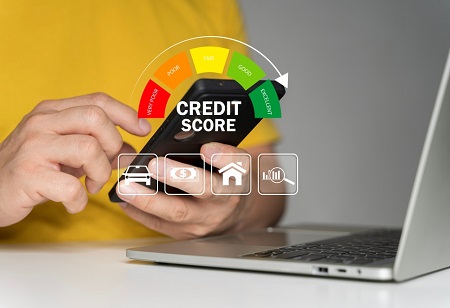 It is important to have repayment discipline to keep a healthy credit profile. In situations where the borrower fails to pay or repeatedly fails to pay the monthly installments (EMIs), they may have to face further charges and their credit history may take a hit.
If you have a poor profile, it can be hard to get loans in the future such as personal loans, home loans and credit cards. It can also impact the co-applicant's credit profile, based on the liability and reporting of the loan account.
Borrowers need to have adequate money in their repayment account and switch on reminders to pay or automatic debit. If they foresee any trouble in paying the installment then they should contact the lender sufficiently early to learn about the options available to them before the installment becomes overdue.
It's important to have a consistent history of repayment if you want to have long-term financial credibility.
Also read: Scholarships to Consider Before Applying for an Education Loan
Not Checking Prepayment and Loan Foreclosure Conditions
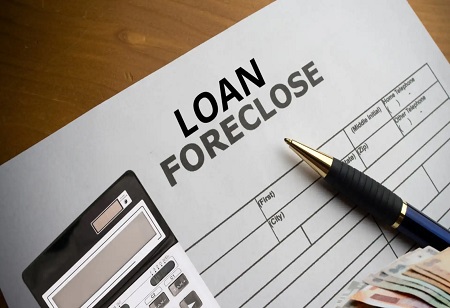 There may be certain borrowers who are offered higher paying jobs or extra financial assistance after they graduate, and want to pay back their student loan debt before the set payback term. Some students may be offered a better-paying job or extra financial assistance after graduating and want to pay off his or her student loan debt sooner than the agreed-upon payback period.
But, not every borrower is aware of the lender's prepayment and foreclosure terms when they take out a loan. While numerous education loans offer early payoff choices, the terms and charges, if any, should be confirmed beforehand.
If you pay off your principal more quickly, the amount of interest you will pay over the life of the loan may be lower. But the borrowers should also consider other financial priorities such as emergency savings and household expenditures before repaying the loan early.
If students understand the terms of a prepayment they will be more flexible if their financial situation improves.
“An education loan is an investment, not a burden. Where a bright student studies, and what they choose to study, shouldn’t come down to what the family can afford in a particular year.
But loans alone don’t solve the problem. If we make borrowing easier without making students job-ready, we’re just moving the worry a few years ahead. What we really need is the full package: affordable loans and scholarships, honest career guidance, real skill building, and jobs at the end of it.
When a student knows what a loan can open up, and what it will ask of them later, education finance becomes more than a way to pay fees. It becomes a way to chase a dream and actually be ready for it,” says Dr. Akash D Dubey, Dean (Training), Associate Professor (Business Analytics), Jaipuria Institute of Management.

Current Issue