
AI can write Code, but Soft Skills still Matter Most
Leadership Cannot Be Automated
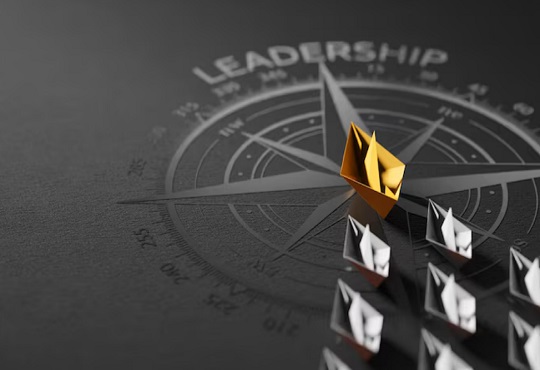 As organizations start folding AI into their everyday operations, leadership is getting more and more important, especially at the top. AI can surface insights, even offer suggestions, but it can’t really inspire folks, build trust in the room, or craft that clear, compelling picture of what comes next.
Leaders have to steer the whole organization through the change process, doing the careful back and forth between innovation and real human needs, plus handle the ethical bumps that show up with AI adoption. They also have to make sure the tech boosts productivity without dragging down culture, undermining trust, or hurting employee wellbeing.
Vision, compassion, integrity, and the ability to rally people around common aims, those still feel like human stuff not software, you know. And honestly these strengths will keep shaping what effective leadership looks like in the AI age.
“Recruitment panels no longer evaluate candidates solely on academic credentials. Today, organizations assess candidates based on their problem-solving ability, adaptability, and capacity to work effectively across diverse teams.
Soft skills such as collaboration, communication, and emotional intelligence serve as a significant advantage for students when they enter the workforce. Candidates who demonstrate strong interpersonal skills consistently outperform peers with strong technical skills but weak soft skills.
Higher education institutions that prioritize these attributes in their graduates are fostering professionals who are genuinely workforce-ready from day one. The responsibility, therefore, does not rest with employers alone. Academia must build structured opportunities for students to practise leadership, manage conflict, and communicate with clarity, because these are the capabilities that define long-term career success, says Sachin Alug, CEO, NLB Services.


Current Issue
.jpg)