
Education Loan Repayment Strategies to Reduce Interest
Consider the Timing of Prepayments
 Not all additional payments have the same impact. Early payments might have a more significant impact since they lower the amount of principal that will be subject to the interest calculation of future payments.
Suppose that a borrower receives a high bonus each year that he or she still has a significant surplus. If a principal is made ahead of schedule in the payment schedule, then the balance owed for the next interest period is lower.
But the borrowers shouldn't borrow all the money just to pay back their education loan. An emergency account is a necessity as the borrower might be required to enter into fresh loan should an unforeseen medical bill, job loss, moving expenses or any other expense come up.
It is therefore better to have a balanced approach: Save enough money in emergency reserves and pay off with real surplus money.
Avoid missing EMIs
One of the most crucial features of an education loan management is regular repayment. An EMI payment that is missed can lead to fines, and may have a negative impact on the borrower's credit score, depending on the circumstances and reporting.
For this reason, bank graduates should ensure that they have the facility of automatic payments or reminders to ensure that they can pay on time.
The best time to reach out to a lender if a borrower is expecting to have trouble paying down a loan in the near future due to unemployment, delayed salary or another financial issue is before the payment is due.
Restructuring or other repayment options may be available, depending on the terms of the loan and the lender's policies.
Choosing to ignore the issue will make it harder to solve.
Also read: How to Apply for an Education Loan in India
Do Not Sacrifice Emergency Savings for Loan Repayment
While aggressive paying off can pay off, it may also become a financial liability to pay off a loan with all savings.
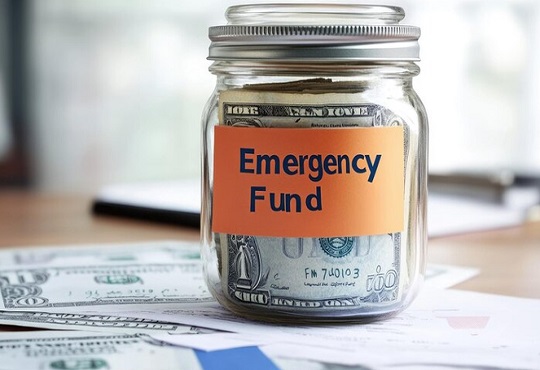 It is advisable for a graduate to keep an emergency fund before making large voluntary prepayments. This depends on your income stability, the size of your household, your job opportunities and monthly expenses.
If a borrower has an inconsistent income, it may be more important for them to have liquidity than to make a very substantial prepayment right away.
After building up a sufficient emergency fund, any savings in excess thereof can be allocated to loan repayment, investing, and other financial objectives.
Compare Loan Refinancing or Balance Transfer Options Carefully
If interest rates have been raised, or the individual has become highly creditworthy and income has increased tremendously, there could be a need to refinance the loan or seek another lender with cheaper borrowing costs.
Don't just apply for a loan from a new lender simply because the interest rate is low. All costs that come with the loan must be considered, such as processing costs, administrative costs, prepayment costs, insurance, etc.
Also, the remaining period of the loan is very important. If part of the loan remains outstanding, the benefits that would come from the process of refinancing could not justify the cost of doing so.


Current Issue