Sulu State College: Advancing Education & Community Development
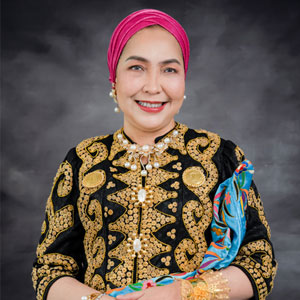
By Prof. Charisma Ututalum CESE, President
Education beyond school enables students to acquire expertise and boost their soft skills, such as critical thinking, teamwork, and adjusting to industry changes, for use in the global market. As technology, sustainability, and inclusivity reshape industries, diverse perspectives in education encourage creativity and prepare students for jobs in tech, agriculture, and industry.
In rural and low-income areas, issues such as insufficient school funding and shortage of qualified teachers delay children from receiving quality education, which limits their chances of becoming successful in society and the economy.
To address these issues, institutions are aiming to provide accessible and low-cost education options to form a curriculum that ensures all students feel valued and empowered to drive sustainable progress in the future.
Sulu State College addresses these challenges by aligning its academic programs with industry needs. The college ensures their graduates are prepared for the demands of the labor market, including areas of technology, innovation, agriculture, and industry.
Through regular curriculum reviews, Sulu State College maintains relevance to both regional and national development priorities. By constantly reviewing its curriculum, consultations with industry stakeholders, government agencies, and local communities, and adopting outcomes-based education, Sulu State College remains aligned with both local and national goals.
Sulu State College hopes to rise as a significant educational center in Southeast Asia by stressing innovation, sustainability, and peace
Inclusive Leadership Training
Its community-focused approach to vocational and short-term technical training sets it apart, offering flexible, skills-based programs tailored to the socio-economic realities of the region. With mobile training units, partnerships with TESDA and local government units, and extension services, the college reaches marginalized populations, enhancing livelihood opportunities and immediate productivity.
The institution invests in faculty development, research grants, and relations with higher education institutions and funding agencies to drive educational excellence. Also the students are engaged in undergraduate research, innovative contests, and community service.
Leadership development is equally central to its mission. The institution offers progressive leadership training in academic and extracurricular activities to help students with skills in communication, decision-making, and Team management. “We provide hands-on opportunities to lead institutional activities so our students will be confident and responsible leaders ready to serve their communities”, says Narcisa Mohammad Hashim-Laja.
Decentralized Governance Model
The key pillar of the institute’s effectiveness is its decentralized governance model. When the management gives responsibility to departments and outlying campuses, they make decisions using facts in real time which leads to faster program rollouts and improves involvement from stakeholders.
This approach has proven agile in addressing regional needs, particularly during crises or rapid change, while fostering accountability and efficiency in service delivery. SSC is encouraging a global mindset among students and faculty by organizing exchange programs, team research projects, and virtual classes and letting staff join worldwide conferences.
Partnerships & Sustainable Global Impact
Through collaboration with the Institute for IFERP (Educational Research and Publication), the college encourages sharing knowledge, joint research, and improved academic capabilities. “Our collaboration with the University of Malaya has focused on the development of joint overseas programs, active participation in research and training, engagement in forums, conferences, and conventions, and the exchange of expertise through invited speakers and collaborative projects”, says Narcisa Mohammad Hashim-Laja.
These initiatives bring academic knowledge with practical solutions, supporting sustainable and inclusive development in the region and beyond.
Through helping students achieve relevant skills, encouraging research and leadership, and initiating meaningful partnerships, the college not only meets current challenges, but also paves the way for a sustainable, inclusive future. Its commitment to aligning education with regional and national needs while embracing a global perspective positions Sulu State College as a catalyst for change, driving social mobility and economic growth in the Philippines and beyond.
Future-Oriented Education
Looking ahead, Sulu State College hopes to rise as a significant educational center in Southeast Asia by stressing innovation, sustainability, and peace. On the roadmap, they want to develop new graduate courses and conduct more research on sustainable technologies and industries. SSC community engagement programs ensure that indigenous cultural practices and local values are integrated into regional development projects. The college is committed to providing a transformative education that benefits communities, promotes ethical leadership, and prepares societies for future challenges.