16-Year-Old Builds ₹3,000 Smart Helmet with GPS and Cameras
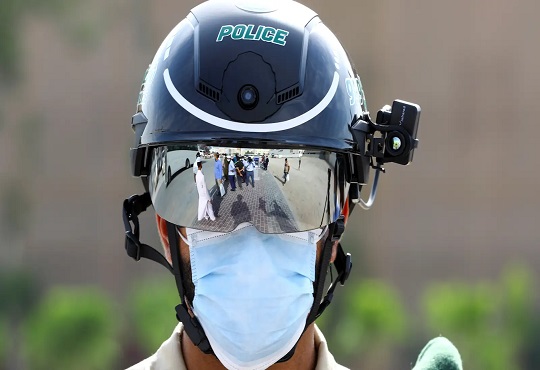
A 16-year-old student from Bihar develops a Rs 3,000 smart helmet featuring GPS, sensors and cameras to alert police, hospitals and family members after accidents, earning a Rs 10,000 government reward.
A 16-year-old student from Bihar's Nalanda district has developed an innovative smart helmet designed to improve road safety by automatically alerting emergency services following a road accident. Developed at an estimated cost of Rs 3,000, the prototype integrates GPS tracking, impact sensors, cameras and a SIM card to notify hospitals, police stations and family members when an accident occurs. The innovation also earns the student a Rs 10,000 cash reward and a certificate from the Department of Science and Technology.
Shrikant Kumar, a Class 11 student at Government +2 Shitala Uchch Vidyalaya in Magada, develops the device to address the challenges faced by accident victims who may be unable to seek immediate assistance. The helmet uses an impact sensor to detect a possible collision. Once activated, its GPS module identifies the rider's location, while the integrated SIM card sends alerts to three pre-registered contacts, including a hospital, police station and family member. This mechanism aims to reduce delays in emergency response and help authorities locate accident victims.
Also read: NASA Opens $1 Million Moon Base Challenge for Students
The helmet also incorporates front and rear cameras that reportedly provide coverage of approximately 50 metres. These cameras can record surrounding activities, potentially helping identify the circumstances leading to an accident. Another notable feature connects the helmet to a motorcycle through Bluetooth technology. The system is designed to prevent the vehicle from starting if the rider is not wearing the helmet, encouraging safer riding practices.
According to Shrikant, the rechargeable device operates for approximately 10 to 15 hours on a single charge. However, its performance and safety features require further technical testing and independent verification before wider deployment.
The idea originates when Shrikant witnesses a road accident and recognises the importance of timely emergency assistance. His interest in artificial intelligence, developed through a school project during Class 9, further motivates him to explore the concept. After spending nearly seven months researching the required technology, he assembles the prototype within two to three days with guidance from his mathematics teacher.
Also read: Building Success: A CEO’s Path to Organizational Excellence
The Department of Science and Technology recognises his innovation with a Rs 10,000 incentive and certificate. His teacher, Rekha Kumari, also forwards the project to the state government for financial assistance. Shrikant now seeks technical expertise and institutional support to refine the prototype, explore patent registration and develop it for broader use. The helmet remains experimental and is not commercially available.
Current Issue