
SC Task Force Visits HEIs to Study Student Mental Health
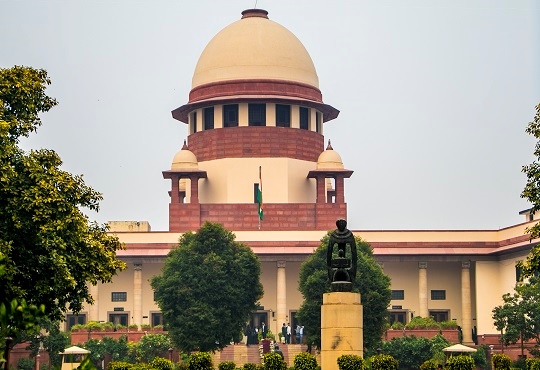
Synopsis: A Supreme Court-appointed National Task Force visits 30 higher education institutions across 10 states to study student mental health concerns, suicides, and gaps in campus support systems.
The National Task Force (NTF) appointed by the Supreme Court to examine student mental health concerns and prevent suicides in higher education institutions has conducted field visits to 30 institutions across 10 states. The initiative aims to understand the academic, social, and institutional factors affecting student well-being and develop recommendations for stronger support systems.
The task force has been engaging with universities, colleges, students, faculty members, administrators, and other stakeholders to assess the challenges faced by learners. Since May 2025, the panel has carried out extensive visits and conducted 25 stakeholder consultations to ensure a broad and inclusive understanding of issues affecting students across different regions.
The consultations focus on several critical areas, including mental health support, student suicides, discrimination, gender-related concerns, accessibility challenges for students and faculty with disabilities, and issues faced by students from Scheduled Tribe and Other Backward Class communities. The discussions also examine the role of institutional mechanisms in creating safer and more supportive academic environments.
The Supreme Court constituted the task force in response to growing concerns regarding student suicides and mental health challenges in higher education institutions. The panel has been assigned the responsibility of identifying key factors contributing to student distress, reviewing existing policies and frameworks, and suggesting reforms to improve prevention strategies and institutional accountability.
Also read: IIT Ropar, Syngenta, Google Launch Hackcore 2026
The task force is also examining concerns beyond individual mental health issues, recognising that student distress may be influenced by broader structural factors. These include academic pressure, social exclusion, discrimination, financial difficulties, and gaps in access to professional counselling services.
The field visits allow members to understand campus-level realities and evaluate the effectiveness of existing grievance redressal systems, counselling facilities, and student welfare programmes. The panel is expected to use these findings to recommend measures that strengthen mental health infrastructure and promote inclusive educational environments.
The initiative highlights the importance of creating higher education institutions where students can access timely support and feel secure in seeking help. By combining data collection, expert consultations, and institutional assessments, the task force aims to establish a comprehensive approach toward student well-being.
The final recommendations from the Supreme Court-appointed panel are expected to guide future policies and practices related to mental health support, student safety, and inclusive education across higher education institutions in India.
Current Issue