Vietnam US Expand Education Cooperation in AI and Technology
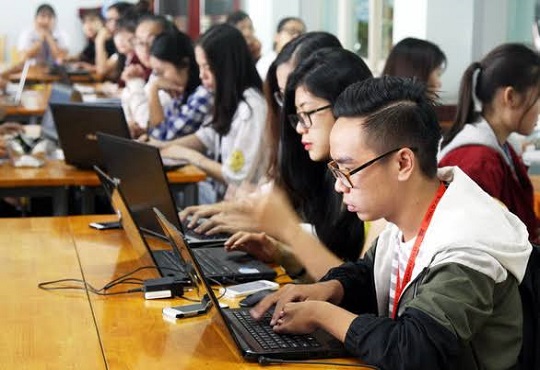 Viet Nam and the US expand higher education cooperation in AI, semiconductors and digital technology, with universities strengthening joint training, research, academic exchanges and workforce development initiatives.
Viet Nam and the United States are expanding cooperation in higher education, with artificial intelligence (AI), semiconductors, digital technology and advanced workforce development emerging as key areas of collaboration. The two countries are seeking to strengthen links between universities, research institutions and technology-focused education programmes.
The growing cooperation forms part of the broader Comprehensive Strategic Partnership between Viet Nam and the US. Education and training have been identified as important areas for developing human resources and supporting cooperation in science, technology and innovation. The partnership also encourages academic exchanges, joint research, training programmes and collaboration in STEM disciplines.
Also Read: How Universities can build a Future-Ready Workforce
AI and semiconductor technology are receiving particular attention as Viet Nam works to develop a workforce capable of supporting its expanding digital economy. Cooperation between universities in the two countries includes opportunities for joint training, research and academic exchanges in areas such as computer science, information technology, AI and semiconductor engineering.
Vietnamese and US educational institutions have already established a significant network of academic partnerships. According to Vietnam News Agency, the two countries have around 400 joint training programmes, with about 50 focused on technology, engineering, computer science and economics. Universities are also cooperating in fields including science and technology, environmental studies, climate change, agriculture and STEM education.
The US has also supported initiatives aimed at strengthening Vietnamese universities' capacity in emerging technologies. Since late 2024, the US Department of State has worked with Vietnam's Ministry of Education and Training through the International Academic Partnership Programme (IAPP), involving Vietnamese university leaders specialising in science and technology. The programme includes cooperation in AI, information technology and semiconductor chips.
Student mobility remains another important component of the relationship. Nearly 30,000 Vietnamese students are studying in the United States, according to the countries' joint statement. Both sides have expressed support for expanding opportunities for Vietnamese students, teachers, researchers and scholars to participate in education and training programmes in the US.
Also Read: The Importance of International Students in Manitoba
The cooperation also extends to strengthening teaching capabilities and digital skills in Viet Nam. Areas under discussion include teacher training, programming, computer science education and cyber security, alongside efforts to develop expertise in big data, AI and semiconductor technology.
As both countries deepen their education partnership, universities and research institutions are expected to play a greater role in supporting technology skills, innovation and workforce development, particularly in strategic areas such as AI and semiconductors.
Current Issue
.jpg)