
How India's Deep-Tech Push is Fuelling Semiconductor Courses
 India’s semiconductor ambitions are moving from policy discussions to execution. Large investments, government incentives, and new partnerships with global companies are creating momentum around chip manufacturing and advanced technology. Yet there is another side to this story that deserves equal attention.
India may have one of the world’s largest pools of engineering talent, but the semiconductor industry needs a very specific kind of workforce. Companies are not simply looking for graduates with technical degrees. They need people who understand how chips are designed, tested, verified, and manufactured. For students and professionals, this is changing the way they think about education.
Semiconductor Work Demands More than Classroom Knowledge
Semiconductor roles are highly specialized. An engineer working in chip design or fabrication is expected to do far more than understand theory. They need to know how to work with design tools, run simulations, solve technical problems, and understand how a product moves from concept to production.
Many traditional engineering programs still do a good job of building strong fundamentals. What they do not always provide is enough exposure to the day-to-day realities of semiconductor work. That is where the gap begins. A student may understand the basics of electronics or computer engineering, but still have limited exposure to:
- VLSI design and ASIC development
- Verification and validation processes
- Physical design and fabrication workflows
- Chip testing and debugging
- Industry-standard software and tools
For employers, these are no longer niche skills. They are becoming baseline expectations.
Also Read: Emerging Technologies Shaping Careers and Closing Skills Gaps
Why Students are Choosing Specialized Programs
Students today are asking different questions than they did a few years ago. They want to know whether a program will help them build practical skills. They want to know whether they will have access to the tools used in the workplace. They want to know whether they will graduate with the confidence to contribute from the beginning. That is why more learners are showing interest in certificate programs, short-term courses, and industry-focused training in semiconductors.
Many of these learners are not only final-year students. Some are early-career professionals trying to move into chip design and hardware roles. Others are engineers who want to specialize in a field that is growing quickly and offering new opportunities. In both cases, the appeal is similar. People want learning that feels connected to the real world.
Learning That Mirrors Industry
One of the biggest changes in technical education is the growing emphasis on industry-integrated learning. In places such as Silicon Valley, semiconductor programs are often shaped by current industry needs. Students learn from practitioners, work on projects, and use the same platforms they are likely to encounter in their jobs.
About the Author:
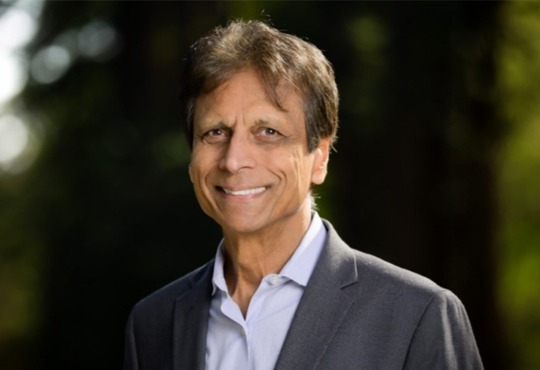
P.K. Agarwal, a distinguished technology and academic leader in Silicon Valley, has been serving as the dean of UCSC Silicon Valley Extension since August 2019. Prior to this role, he was the dean and CEO of Northeastern University-Silicon Valley, where he spearheaded the university's launch and growth.
He has also held leadership roles as president of the National Association of State CIOs and the National Electronic Commerce Coordinating Council (ec3).
Current Issue