Enhancing Campus Event Logistics and Visitor Experience
 University campuses are busy places, always hosting events that are key to what they do and how they're seen.
These gatherings, everything from open days for future students to big international conferences, are super important for getting new students, connecting with the community, and sharing knowledge.
But sorting out all the details for these events is a big job for university staff, and it's often harder than people think.
The Complexity of Campus Events
Because universities host so many different kinds of events, there's no single way to plan them all. An open day for prospective undergraduates needs totally different things than a fancy alumni dinner or a science conference that lasts several days. Each event involves a lot of different people: professors, administrative staff, students, outside vendors, and most importantly, the visitors themselves.
Good event management means more than just booking a room and ordering food. It involves carefully coordinating parking, helping people find their way around campus, making sure everything is accessible, handling security, and providing technical support. If any of these things go wrong, it can take away from what the event is supposed to achieve and make the university look bad.
Plus, the impact of campus events on student success and sense of community is really important, so getting things right is a big deal. The main goal is to create an environment where attendees can focus on the event itself and enjoy it, without getting bogged down by logistical issues.
First Impressions Matter for Visitors
For many visitors, a campus event is their very first real experience with the university. This first impression is incredibly powerful and can stick with them for years. If a prospective student and their family go to a disorganised open day, it might make them question how well the university is run overall. For someone attending an academic conference, a frustrating arrival can sour their opinion of the department hosting it.
It's really important to optimise first impressions of your campus by thinking about the whole visitor journey, right from when they get their invitation. This means giving them clear information before they arrive, like directions, parking details, and a campus map. When they get there, the welcome they receive is crucial.
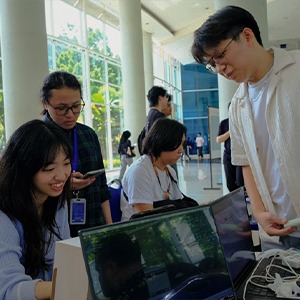
A clearly marked and well-staffed welcome desk, an easy registration process, and a friendly greeting can immediately make visitors feel comfortable. Little things, like having refreshments available or a nice place to wait, really help create a good first impression. These details show that the university is organised, thoughtful, and truly values its visitors.
Coordinating Staff and Student Support
A smooth campus event depends on having the right people in the right places. Even with a detailed plan, visitors will still need help finding rooms, checking in, asking questions, or dealing with last-minute changes. This is why staff and student volunteers play such an important role in the overall experience.
Before the event, everyone involved should know their responsibilities clearly. Some people may handle registration, while others guide visitors around campus, support speakers, manage queues, or answer common questions. A short briefing before the event can help the whole team understand the schedule, key locations, emergency procedures, and who to contact if a problem comes up.
Student ambassadors can be especially valuable because they give visitors a more personal view of campus life. Prospective students and families often feel more comfortable asking current students honest questions about courses, facilities, and daily routines. When staff and students work together, the event feels more welcoming, organised, and connected to the real university experience.
Practical Solutions for Visitor Needs
Meeting visitors' practical needs is key to successful event logistics. One common problem that's often overlooked is what visitors should do with their personal items, especially if they've travelled a long way. A prospective student coming with parents for a full-day open house might have luggage, just like an academic travelling straight from a train station or airport. Expecting them to carry their bags around all day isn't practical and makes for a bad experience.
Providing secure, easy-to-access storage is a simple but very effective solution. While traditional campus lockers might be an option, they're often small or not in a convenient spot. Thinking beyond the campus can be helpful.
For example, imagine an international conference where many attendees arrive by train. For them, a service like a locker alternative at Seoul Central Station offers a convenient place to drop off their luggage before going to the university, unburdened. Mentioning these off-site options in pre-arrival messages shows foresight and a good understanding of what visitors need.
On campus, a well-designed welcome centre can include a staffed cloakroom or secure storage area, which is a key part of a positive welcome centre design strategy.
Other practical solutions include:
- Clear Signs: Use a mix of temporary event signs and the campus's permanent wayfinding to easily guide visitors from parking lots and bus stops to the event location.
- Digital Info Hubs: Create a simple event website or app with schedules, maps, speaker bios, and live updates.
- Accessibility: Make sure all venues are physically accessible and provide information beforehand about things like hearing loops, accessible toilets, and other facilities.
- Wi-Fi Access: Offer a straightforward guest Wi-Fi network. A complicated login process is a common source of frustration.
Improving Conference Attendee Comfort
Academic and professional conferences are a great chance for universities to show off their research and boost their reputation. How comfortable and well-cared-for attendees feel directly impacts their ability to network, learn, and engage. So, making sure the environment for these events is just right is crucial for getting the most out of them.
Beyond just having a well-equipped lecture hall, organisers should pay attention to the spaces in between the main sessions. These are often where the most valuable interactions happen. Comfortable seating areas, quiet zones for focused work, and dedicated networking spaces with coffee and tea are essential. The quality of the food also matters a lot; offering varied and healthy options that cater to different dietary needs shows a high level of care.
Technology is another key factor. Reliable, high-speed internet is a must-have. Also, providing plenty of charging stations for laptops and phones is a simple but much-appreciated amenity. For events lasting several days, the overall atmosphere helps with attendee stamina and engagement.
Good lighting, comfortable room temperatures, and different session formats can prevent fatigue and keep energy levels high. By optimising campus conference and event services, institutions can turn a regular conference into a memorable and highly productive experience that encourages delegates to come back for future events.
Ultimately, successful campus events come from careful planning that puts the visitor experience first. By taking care of the practical and logistical details, universities can make sure their events not only run smoothly but also leave a lasting positive impression that strengthens their reputation and relationships.
Current Issue