Cotton University, IIT Guwahati Ink MoU
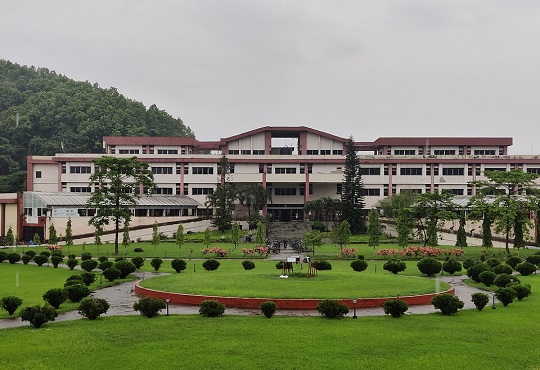
- Cotton University and IIT Guwahati signed a five year MoU to enhance research collaboration efforts.
- Agreement enables joint research projects faculty exchanges student internships training programs and knowledge sharing initiatives.
- Partnership aims to boost innovation interdisciplinary learning and provide opportunities for students and faculty members.
Cotton University and Indian Institute of Technology Guwahati have entered into a significant academic partnership by signing a Memorandum of Understanding (MoU) aimed at strengthening collaboration in research and education.
The agreement, which will remain valid for five years, was formalised by Vice Chancellor Ramesh Chandra Deka and IIT Guwahati Director Devendra Jalihal in the presence of faculty members and officials from both institutions.
The MoU establishes a solid base for various collaborative projects which include joint research initiatives and academic exchange programs and internship opportunities and consultancy services and training programs.
The system enables student and faculty exchange which promotes knowledge sharing between different academic fields. The agreement has been designed to function without any financial obligations because it allows both institutions to develop their partnership throughout the upcoming period.
Also read: IIM Visakhapatnam Opens EMBA Admissions
The officials from both institutions believe that their partnership will lead to increased research output and innovative developments and provide more academic opportunities for students and faculty members.
The partnership between Cotton University, which stands as one of Assam's oldest and most esteemed educational institutions, and IIT Guwahati, which represents a top technical institute, aims to create an educational pathway that connects general education with specialized technical knowledge.
The MoU serves as a strategic instrument which will advance two goals through its mission to establish interdisciplinary educational programs while enhancing academic performance and developing new research and skills training opportunities for the region.
The partnership agreement enables both institutions to develop a permanent academic relationship which will continue to benefit their respective academic communities.
Current Issue