
Keralam Allows Autonomous Colleges to Introduce New Courses
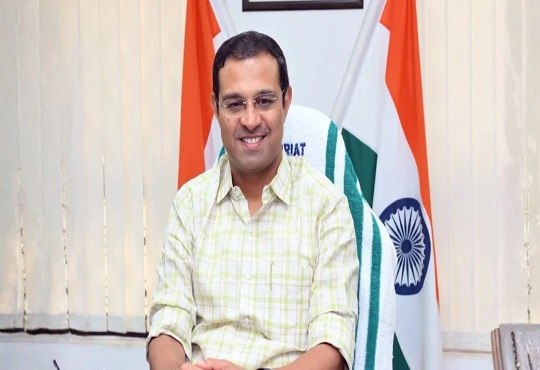
Kerala relaxes approval rules for autonomous colleges to introduce self-financing courses and increase seats, while retaining university oversight and government approval requirements for aided programmes.
The Kerala government has relaxed approval requirements for autonomous colleges seeking to introduce new self-financing courses and increase student intake, giving institutions greater flexibility to expand their academic offerings. The revised guidelines, issued by the Higher Education Department on November 6, 2026, remove the requirement for prior state government approval for these changes, while retaining the approval powers of affiliated universities.
Under the revised framework, autonomous self-financing colleges and the self-financing streams of autonomous aided colleges can introduce new programmes without obtaining a separate No Objection Certificate (NOC) from the state government. These institutions must, however, inform the government in advance about proposed new courses. The changes also allow eligible autonomous colleges to increase seats in existing self-financing programmes without seeking prior government clearance.
Also read: MSME Ministry, Samsung India Partner to Train Youth at 15 Centres
The relaxation primarily covers self-financing programmes. Government and aided colleges will continue to require government approval to introduce new courses under the aided stream or permanently increase seats in existing aided programmes.
For self-financing colleges, the affiliated universities will retain their authority to approve increases in student intake under the applicable regulations. Universities must also submit details of newly introduced courses and changes in seat capacity to the government after completing the admission process each academic year.
The revised guidelines also extend the validity of No Objection Certificates for self-financing colleges. Instead of renewing NOCs annually, institutions will now be required to renew them once every three years. The revised framework prescribes charges of ₹650 per course towards the challan and ₹810 towards the affidavit for the three-year period.
Higher Education Minister Roji M John has defended the decision, stating that the changes aim to strengthen academic autonomy and reduce administrative delays. He maintains that autonomous institutions should have greater flexibility to introduce programmes aligned with emerging technologies, changing employment requirements and student preferences.
The minister has also pointed to vacant seats in traditional courses and the need to make contemporary programmes available within Kerala. The government says the move is intended to expand educational opportunities and reduce the need for students to leave the state to pursue specialised courses.
Also read: Why India’s Startup Ecosystem Needs Stronger Managerial Depth
The decision has triggered criticism from Leader of the Opposition Pinarayi Vijayan, who has questioned whether the relaxed approval requirements could weaken government oversight and encourage the commercialisation of higher education. He has also raised concerns about the implications for merit-based admissions, reservation provisions and transparency in seat expansion.
The government, meanwhile, maintains that the revised framework does not remove university-level approval requirements or compromise prescribed academic and admission norms.
The implementation of the guidelines will depend on how autonomous colleges and affiliated universities exercise their respective powers. The policy change has brought the balance between institutional autonomy, regulatory supervision and access to higher education into focus across Kerala's higher education sector.
Current Issue