Telangana to Introduce 10+2 Education System Next Academic Year
Telangana plans to introduce the 10+2 education system from 2027–28, focusing on specialised learning for Classes 9–12, improved government school infrastructure and skill development.
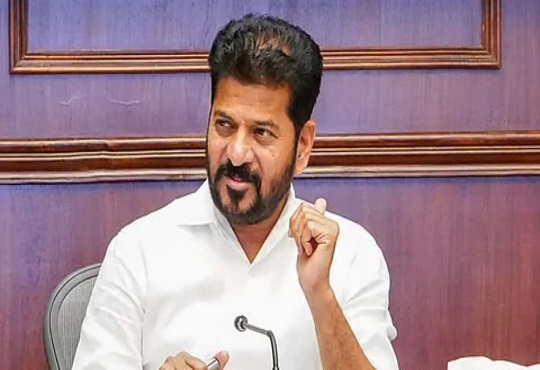
The Telangana government is preparing to introduce the 10+2 education system from the 2027–28 academic year, with Chief Minister A. Revanth Reddy directing Education Department officials to initiate the necessary arrangements. The proposed reform forms part of the state's broader efforts to modernise school education, improve learning outcomes and strengthen skill development among students.
During a review meeting with senior officials in Hyderabad on November 11, the Chief Minister emphasises the need to align the education system with contemporary requirements. He states that providing quality education and ensuring that no student is left behind remain the government's priorities. He also directs officials to identify the infrastructure and administrative changes required to implement the proposed structure.
Also read: University of Hyderabad to Host Free Leadership Training
The government plans to strengthen the education framework from nursery to Class 12, with particular attention to students in the higher classes. Revanth Reddy calls for treating Classes 9 to 12 as a specialised phase of education, allowing students to receive focused academic support and learning opportunities suited to their educational requirements.
The government also intends to place greater emphasis on skill development from Class 12 onwards. The approach aims to connect school education with practical competencies and prepare students for higher education, vocational pathways and future employment opportunities.
The proposed changes are expected to require improvements in school infrastructure, teaching resources and academic planning. The Chief Minister asks officials to prepare the necessary facilities and arrangements to support the transition.
Improving the quality of government schools is another major component of the proposed reform. The Chief Minister reiterates the government's objective of developing public educational institutions on par with private schools. Better infrastructure, improved teaching standards and adequate learning resources are expected to support this objective.
The initiative also aligns with the state's broader education programmes, including the development of Young India Integrated Residential Schools and efforts to modernise existing institutions. The government is seeking to improve access to quality education while addressing gaps in student enrolment and continuity.
The latest directive follows earlier discussions about reducing student dropouts after Class 10. The state government has previously examined the reasons students discontinue their education before entering the Intermediate stage and explored education models that provide continuous monitoring and mentoring from Classes 9 to 12.
Also read: How Competitive Exam Preparation Affects Young Minds
In May 2026, the government deferred its proposed merger of Intermediate education with the school education system for the 2026–27 academic year, directing colleges to continue admissions under the existing arrangement. The latest instructions indicate a renewed effort to prepare structural reforms for the following academic year.
Through the proposed 10+2 framework, Telangana aims to strengthen educational continuity, improve public school standards and introduce a stronger connection between academic learning and skill development. Detailed implementation guidelines and the required administrative arrangements are expected to determine how the transition takes place.
Current Issue