How Indian Students Are Tapping Into Global Luxury Careers
 Indian students are increasingly shaping their careers in global luxury markets, spanning sectors such as branding, retail strategy, sustainability, and consumer behaviour. With the growing prominence of India as a key player in the international education landscape, the UK is becoming a preferred destination for students aspiring to enter luxury sectors. The UK’s appeal lies in its world-renowned academic reputation; one-year masters programmes, and industry-aligned curricula, making it especially attractive for Indian students seeking exposure to global business ecosystems and career-driven education.
India is one of the largest groups of international students in the UK, with over 80% of visas issued for masters-level programmes. Business and management-oriented postgraduate studies remain the most sought-after fields, forming the foundation for careers in luxury brand management, global marketing, consumer behaviour, and retail strategy. Indian students wishing to establish careers in this field are pursuing educational opportunities that fuse understanding of the culture and practical skills in the industry together with the experience of living abroad.
Changes in the Global Luxury Market
Recent years have seen remarkable changes within the global luxury market. Once solely the dominion of high fashion, luxury now encompasses beauty, lifestyle, automobiles, hospitality, and digital sectors. The evolution of the luxury industry continues to be economically resilient, influenced by digital and technological advancements, as well as consumer and societal shifts. According to Bain & Co, growing Asian economies, together with digitally enhanced premium products and services, have resulted in high demand for luxury goods.
India's luxury market is increasingly attractive to the emerging affluent class, as well as growing cross-border interactions and retail partnerships. The special combination of indigenous tradition and modern digitally enhanced design is characteristic of the luxury market in India.
As global luxury markets become increasingly complex with the rise of technological acceleration, AI integration, and rapidly changing consumer expectations, luxury education is evolving to meet these new demands. Contemporary postgraduate programmes now view luxury not as a product category, but as a global ecosystem shaped by consumer behaviour, culture, and industry forces. Programmes like the MA Luxury Fashion Brand Management at Nottingham Trent University (NTU) prepare students to engage critically with this evolving ecosystem, equipping them with the skills needed for strategic thinking, creative problem-solving, and brand stewardship.
Bridging global luxury trends with evolving luxury market
Today, luxury is a cultural and economic model that spans multiple industries, from fashion and beauty to automotive and lifestyle. The sector demands professionals with highly transferable, human-centred skills. Furthermore, experiential learning is a cornerstone of our programme, with students gaining first-hand exposure to industry practices, heritage brands, and retail environments. Indian students, in particular, are uniquely positioned to bridge global luxury trends with India’s rapidly evolving luxury market. By integrating local culture, craftsmanship, and aspiration with international luxury frameworks, they are poised to contribute significantly to the growth of Indian luxury brands on the global stage.
As luxury consumers become more informed and value-driven, the industry is increasingly prioritising professionals who can balance commercial strategy with cultural sensitivity and ethical responsibility. Key skills such as consumer insight, sustainability awareness, heritage storytelling, and long-term brand thinking are now central to luxury brand management. This shift towards building enduring brand value rather than focusing solely on short-term growth is becoming more apparent in luxury education. Future luxury markets will necessitate advanced strategic and adaptive leadership, cultural sensitivity, eco-sustainability, and a high degree of flexibility, attributes that Indian students are best positioned to offer the international luxury market.
As luxury education evolves to prepare students for the changing needs of the luxury sector, Indian students need to seek programmes which prepare them with a deep understanding of both local and international nuances; equipping them with both technological and human-centred skills, making them invaluable assets in shaping the future of the global luxury landscape.
About the author:
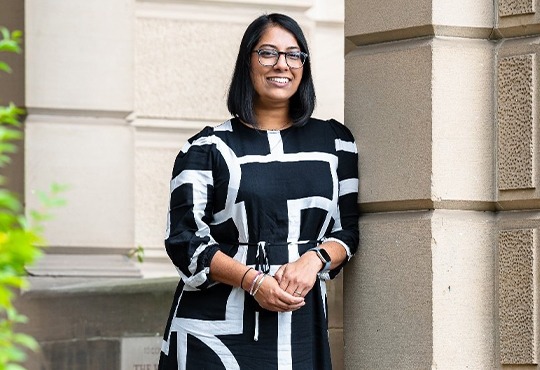
Pinky is the Principal Lecturer for the Masters Courses within the Department of Fashion - from Fashion and Textiles to Luxury Fashion Brand Management, Marketing, and Communications at Nottingham School of Art and Design. Specialising within marketing and branding with over 10 years’ design experience within the creative sector, Pinky is not only a dedicated educator but also a passionate advocate for change and inclusivity in higher education
Current Issue