How Ireland's Healthcare Hiring is creating Careers for Indians
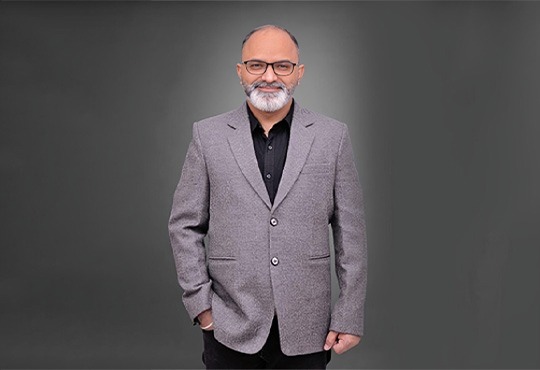 Amit Upadhyay - Regional Director, South Asia, OET in an interaction with Janifha Evangeline. X, Managing Editor, Higher Education Review shared his views on why Ireland is emerging as a top destination for Indian Nurses and Healthcare Professionals, what skills and qualifications do Indian Nurses need to succeed in Ireland's Healthcare Sector, how aspiring Indian Nurses can prepare for High-Growth Healthcare Careers in Ireland and beyond and more.
Why is Ireland emerging as a top destination for Indian Nurses and Healthcare Professionals?
Ireland's growing demand for healthcare professionals reflects a broader transformation taking place across its healthcare system. Like many developed nations, Ireland is responding to an ageing population, the increasing prevalence of chronic illnesses, and rising demand for healthcare services that extend beyond hospitals into communities. These demographic shifts are creating sustained demand for skilled nurses and allied health professionals who can support evolving models of patient care.
One of the strongest indicators of Ireland's reliance on international healthcare talent is its existing workforce composition. According to Ireland's National Healthcare Statistics 2025, the country had 76,558 practicing nurses in 2024, with 54% having obtained their first nursing qualification outside Ireland. India is the largest source country for these internationally educated nurses, demonstrating that Indian healthcare professionals are already making a meaningful contribution to Ireland's healthcare system and are recognized for the quality of their education, clinical capability and professionalism.
Ireland's appeal, however, extends beyond employment opportunities. The country offers exposure to modern healthcare environments where multidisciplinary collaboration, evidence-based practice and continuous professional development are embedded into everyday clinical care. Professionals also gain experience working within healthcare systems that increasingly integrate digital technologies, community care and patient-centred approaches.
For aspiring healthcare professionals in India, Ireland represents more than an overseas destination. It offers an opportunity to build global clinical experience, work in advanced healthcare settings and develop skills that are increasingly valued across international healthcare systems.
What skills and qualifications do Indian Nurses need to succeed in Ireland's Healthcare Sector?
Clinical competence remains the cornerstone of nursing, but success in today's healthcare environment depends on a broader set of capabilities. As healthcare becomes increasingly collaborative and patient-centred, employers are looking for professionals who combine technical expertise with sound judgement, effective communication and the ability to work confidently within multidisciplinary teams.
For Indian nurses aspiring to work in Ireland, obtaining the required professional qualifications, demonstrating English language proficiency through recognized assessments such as OET, and meeting registration standards are essential. Beyond these formal requirements, the ability to apply clinical knowledge in day-to-day practice is equally important. This includes making informed clinical decisions, maintaining accurate documentation, participating in patient handovers and building trust with patients and their families.
Digital competency is also becoming increasingly important as healthcare systems adopt electronic health records, telehealth services and digital care pathways. Alongside technical expertise, qualities such as resilience, professionalism and cultural sensitivity enable nurses to adapt to fast-paced clinical environments and deliver safe, compassionate care.
For educational institutions, this highlights the importance of complementing classroom learning with simulation-based training, clinical reasoning and workplace communication, helping graduates transition more confidently into professional practice.
How can aspiring Indian Nurses prepare for High-Growth Healthcare Careers in Ireland and beyond?
Preparing for an international healthcare career begins long before applying for a position overseas. It starts with building a strong foundation in clinical practice while developing the professional skills required to succeed in modern healthcare environments. Students should focus on gaining meaningful clinical exposure, understanding evidence-based practice and developing confidence in applying their knowledge in real-world healthcare settings.
Professional communication is equally important. Healthcare professionals interact continuously with patients, families and multidisciplinary teams, making clear and effective communication an essential part of safe clinical practice. Developing these skills also supports better collaboration, documentation and patient engagement. Demonstrating English language proficiency through recognized assessments such as OET is an important step for those planning to pursue international career opportunities.
Students should also become familiar with emerging healthcare technologies, including digital documentation, telehealth services and electronic health records. At the same time, developing cultural awareness, professionalism and ethical decision-making will help them adapt confidently to diverse healthcare environments. By strengthening these capabilities early, aspiring nurses will be well prepared to build rewarding careers in Ireland and across the global healthcare sector.
How will Ireland's growing Healthcare Talent demand shape Career Opportunities for India's Next Generation?
The healthcare careers of tomorrow are likely to look very different from those of the past. Advances in medicine, changing patient demographics and evolving models of healthcare delivery are expanding the range of opportunities available to healthcare professionals. Ireland's workforce planning provides a useful example of how these changes are influencing future career pathways.
Rather than concentrating solely on hospital-based care, healthcare systems are increasingly investing in primary care, rehabilitation, elderly care and community health services. This is creating demand across a wider spectrum of professions, including physiotherapy, occupational therapy, speech and language therapy, public health nursing and other allied healthcare disciplines. For students entering healthcare today, this means career opportunities are becoming more diverse and specialized than ever before.
This changing landscape also places greater emphasis on continuous professional development. Career progression is increasingly shaped by the ability to acquire new competencies, adapt to emerging technologies and contribute effectively within multidisciplinary healthcare teams.
For India's next generation of healthcare professionals, this presents an opportunity to think beyond securing their first job. Building expertise in specialized clinical areas and staying responsive to evolving healthcare needs will be key to accessing a broader range of career opportunities in Ireland's healthcare sector.
Also Read: Building the Future Workforce of the Pharmaceutical Industry
Can Ireland's healthcare workforce shortage create long-term career pathways for Indian Professionals?
While international recruitment is often viewed as a response to immediate staffing shortages, Ireland's healthcare workforce planning points to a much longer-term need. Demand is being driven by structural factors such as an ageing population, increased life expectancy and a growing emphasis on delivering care through community-based services rather than hospitals alone.
Research published by the Economic and Social Research Institute (ESRI) projects that Ireland will require more than 2,000 additional public health and community nurses by 2040, alongside significant growth in physiotherapy, occupational therapy, speech and language therapy and other allied health professions. These projections suggest that workforce expansion is a long-term strategic priority rather than a temporary recruitment initiative.
For Indian healthcare professionals, this creates opportunities that extend beyond securing an overseas position. Ireland's healthcare system encourages professionals to develop specialist expertise, pursue advanced clinical practice and take on leadership responsibilities as they progress in their careers. Exposure to different clinical practices, healthcare policies and models of patient care also enables professionals to broaden their expertise and contribute to healthcare innovation, making international experience valuable for long-term professional growth.
What does Ireland's rising demand for Healthcare Talent mean for Nursing Education and Training in India?
Ireland's evolving healthcare workforce provides an important opportunity for educators to reflect on how nursing education should prepare students for the future. While strong academic foundations remain essential, today's healthcare environment also requires graduates who are ready for clinical practice, multidisciplinary teamwork and rapidly changing healthcare systems.
One important area for development is experiential learning. Simulation laboratories, structured clinical placements and case-based learning can help students apply theoretical knowledge in realistic healthcare scenarios while building confidence in decision-making and patient interaction.
Curricula also need to reflect the increasing role of technology in healthcare. Familiarity with digital documentation, telehealth platforms, electronic health records and evidence-based practice will help graduates transition more smoothly into modern healthcare workplaces. Alongside technical knowledge, communication, professionalism and ethical decision-making should remain central components of healthcare education.
Educational programs should also expose students to diverse healthcare settings such as community care, rehabilitation, elderly care and preventive health. Strengthening these areas will help institutions prepare graduates who are equipped to meet evolving healthcare needs and succeed in both Indian and international healthcare environments.
Why are Indian Healthcare Professionals becoming increasingly sought after in International Markets such as Ireland?
The growing recognition of Indian healthcare professionals is rooted in the strength of India's healthcare education and clinical training. India produces a large pool of well-trained nurses and allied health professionals who often gain extensive clinical exposure early in their careers. Working in diverse and high-volume healthcare settings enables many professionals to develop strong clinical judgement, adaptability and confidence in managing a wide range of patient needs.
These qualities align closely with the requirements of international healthcare systems, where employers seek professionals who can deliver safe, high-quality care while integrating effectively into multidisciplinary teams. Strong communication skills, professionalism and a patient-centered approach further enhance the ability of Indian healthcare professionals to succeed in diverse clinical environments.
Ireland's healthcare workforce reflects this confidence in Indian talent. According to the country's latest healthcare statistics, India is the largest source of internationally educated nurses practicing within Ireland's healthcare system. This demonstrates not only the scale of Indian participation but also the trust placed in the education, skills and professionalism of Indian healthcare workers, making them valuable contributors to healthcare systems across the world.
About Amit Upadhyay, Regional Director – South Asia, OET:
Amit Upadhyay is a seasoned business leader with extensive experience in driving growth, strategic partnerships, and market development across South Asia. As the Regional Director for South Asia at OET, he is responsible for expanding access to high-quality English language testing for healthcare professionals and strengthening OET’s presence across key markets including India, Nepal, Bangladesh, and Sri Lanka.
Current Issue