
Higher Education Ministry Plans University Fee Cuts, Staff Suppor
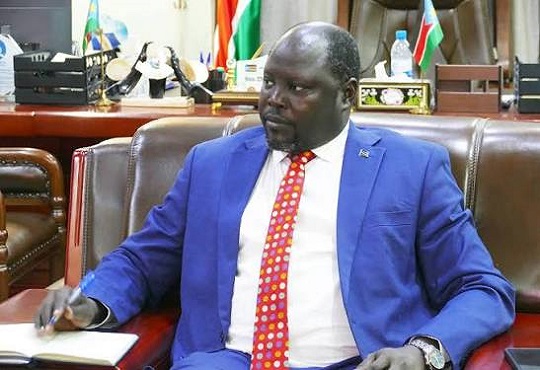 South Sudan’s Higher Education Ministry prioritises university fee reductions, student support and staff welfare for 2026-27, aiming to ease financial pressure on students and improve accessibility to higher education.
South Sudan’s Ministry of Higher Education, Science and Technology plans to prioritise student support, staff welfare and reductions in university programme fees during the 2026-27 financial year. The measures are aimed at easing the financial pressure on students and addressing welfare concerns within the higher education sector.
Higher Education Minister Changkuoth Bichiock Reth announces the priorities during the ministry’s internal budget defence meeting in Juba. He directs senior management to give particular attention to the Students Support Fund, staff welfare and the reduction of what he describes as high fees charged for university programmes.
Also Read: Top 3 Study Abroad Countries Beyond the US & UK
The minister says the current fee levels are placing additional pressure on students, while universities are also facing difficulties in meeting their operational costs. He raises concerns that increasing the cost of higher education could discourage young people from continuing their studies.
According to the ministry, the planned measures seek to make higher education more accessible while improving conditions for staff working across the sector. The Students Support Fund is expected to play a central role in providing assistance to students facing financial difficulties.
The ministry’s focus on fee reductions comes amid broader discussions about the financing of higher education in South Sudan. While universities require sufficient resources to maintain their academic and operational activities, the government is also seeking to address the financial burden faced by students and their families.
Reth says the ministry’s primary responsibility is to provide higher education services rather than generate revenue from students. He argues that excessive commercialisation of education could limit access for young people seeking to pursue academic and professional opportunities.
The announcements are made as the government reviews the proposed 2026-27 national budget. The Ministry of Finance has submitted the budget to the Transitional National Legislative Assembly, where it is currently undergoing scrutiny and debate before potential passage into law.
Also Read: AI can write Code, but Soft Skills still Matter Most
The higher education ministry’s proposed priorities will therefore depend on the final budgetary process and available funding. If implemented, the measures will focus on reducing university fees, strengthening student assistance and improving staff welfare.
The initiative reflects the government’s stated efforts to address affordability and access within South Sudan’s higher education system while supporting the institutions responsible for delivering university education.
Current Issue
.jpg)