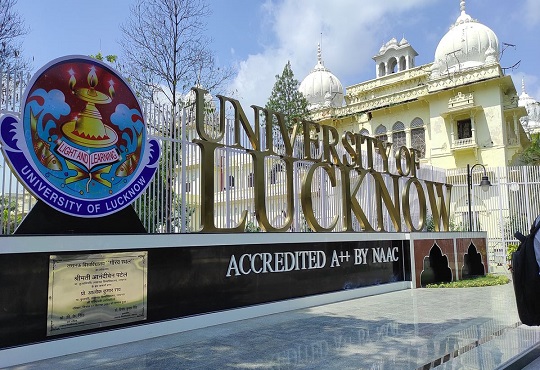
Lucknow University To Hold PhD Admissions Twice in 1 year
- Lucknow University will conduct PhD admissions twice yearly to increase flexibility and opportunities.
- New system includes May and December cycles reducing waiting time and improving admission efficiency significantly.
- Revised process prioritizes NET qualified candidates introduces entrance test and supports flexible research programme options.
Lucknow University has established a new PhD admission procedure which now operates through two annual admission dates to better serve its prospective research candidates.
The university will conduct its admission process for PhD programs through two upcoming May and December admission cycles which will replace the former practice of one annual admission window.
The new system will enable students to apply multiple times throughout the year while also decreasing time spent waiting for admission to different programs.
The reformed admissions system will use a three-phase process which follows a structured pattern. The first two stages of the process will select candidates who hold national-level fellowships or who have passed UGC-NET and equivalent examinations to interview directly.
The selection process will use a Research Entrance Test (RET) in its final stage to assess all other applicants. The admission process seeks to achieve efficient student enrollment while upholding academic requirements.
Also read: AIIMS Paramedical Application Form Released
The university implemented its first admission cycle together with multiple new changes by which researchers can enhance their research work and research outcomes.
The PhD program now allows students to finish their degree requirements within a seven-year period instead of the previous eight-year limit, and students who find employment during their studies have the option to switch from their full-time program to a part-time program.
The ordinance enables international co-supervisors to join research work which supports international research partnership. The boundaries for plagiarism and AI-generated content detection have been raised to new standards which follow the latest academic trends.
The reforms aim to achieve three goals which include making academic systems more transparent and establishing flexible academic programs and changing Lucknow University PhD programs to match contemporary research standards and international academic requirements.
Current Issue