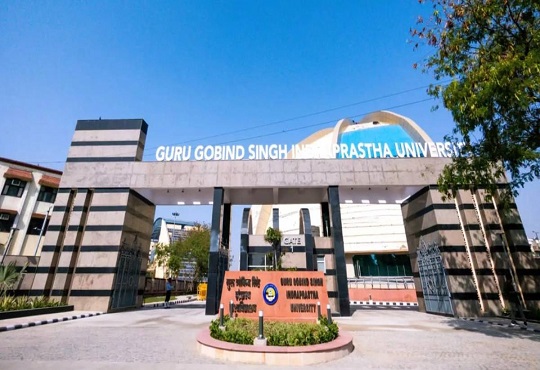
IP University Launches 7 New Paramedical Courses
- IP University introduces seven new paramedical and allied healthcare programmes for 2026–27 academic sessions.
- Courses focus on clinical psychology, trauma technology, epidemiology, rehabilitation, speech therapy, and optometry.
- Online applications remain open till May 31 with ₹2,500 programme-wise registration fee.
Guru Gobind Singh Indraprastha University has established seven paramedical and allied healthcare programs which will begin during the 2026–27 academic session to provide students with new medical support service and mental health and rehabilitation science and emergency medical technology study options. The university has also opened the online application process for admissions, with the last date for submission set as May 31, 2026.
The newly launched programmes include BSc Clinical Psychology (Hons.), Bachelor of Science in Emergency Medical and Trauma Technology (BSc EMTT), Epidemic Intelligence Service (EIS) / Master in Applied Epidemiology, MA Clinical Psychology, Post Graduate Diploma in Rehabilitation Psychology (PGDRP), MSc Speech Language Pathology (MSc SLP), and Bachelor of Optometry. The courses developed through this programmatic initiative exist to meet the rising need for healthcare professionals who possess specialized training in medical fields and related disciplines.
University officials stated that the programmes were introduced in response to the growing need for specialised professionals in areas such as mental health, epidemiology, trauma care, speech therapy, rehabilitation services, and clinical support systems. The healthcare sector in India has experienced increased demand for skilled allied health professionals since emergency response systems and mental healthcare services received more attention.
Also read: Indonesia, Harvard Med School Deepen Education Ties
The university has fixed the application fee at ₹2,500 per programme, and candidates applying for multiple courses will need to pay separate fees for each application. The official university admission portals allow interested students to complete their registration process. The university has also advised applicants to regularly monitor official notifications for programme-specific eligibility criteria, counselling schedules, and entrance examination updates.
The university will use entrance examinations to select students for its new programmes which will start in the upcoming academic year. The eligibility requirements for each program differ from each other. All undergraduate programs need students to finish their Class 12 studies with science subjects while postgraduate and diploma programs need students to have psychology or medical or public health qualifications that match their chosen specialization.
The education experts think that the introduction of these programs demonstrates the rising significance of allied healthcare education throughout India. The demand for rehabilitation services and psychological support across the country has led universities to develop specialized training programs which help students acquire the necessary skills for upcoming healthcare fields.
Current Issue