Why Ireland Is Becoming a Top Tech Study Destination
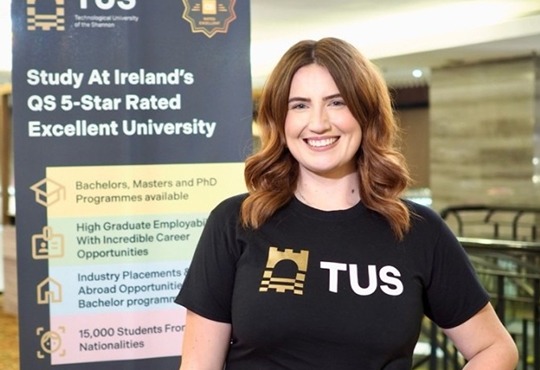 Fiona McKie, International Manager – Director of Global Recruitment, Technological University of the Shannon (TUS) in an interaction with Higher Education Review shared her views on why Ireland is becoming a top choice for international students pursuing technology careers, how Ireland’s booming tech ecosystem translate into real career opportunities for students, how post-study work visas in Ireland boost employability for tech graduates and more.
Fiona McKie is an international education professional with over a decade of experience in the global student recruitment and engagement. As International Manager – Director of Global Recruitment at Technological University of the Shannon, she leads strategic initiatives to expand international student enrolment and strengthen the university’s global footprint across key markets.
Why is Ireland becoming a top choice for international students pursuing technology careers?
Ireland’s growth as a destination has been steady rather than sudden, and that usually reflects a strong underlying system. What we are seeing in student behaviour today is a much sharper focus on outcomes. Students are looking at how quickly they can move from education into employment, and how relevant their qualification will be in the job market.
The one-year master’s structure plays an important role here. It allows students to complete their studies and enter the workforce faster, which is particularly valuable in technology fields where skills evolve quickly.
There is also a growing level of familiarity with Ireland. Many students now know someone who has studied or worked there, and that peer insight often carries more weight than formal information.
So the decision is becoming more practical. Students see Ireland not only as a place to study, but as a place where they can realistically begin building their careers.
How does Ireland’s booming tech ecosystem translate into real career opportunities for students?
The presence of a strong tech sector is important, but what matters more is how closely it connects with education. In Ireland, that connection is quite direct. Universities work closely with industry, which means students are exposed to practical applications of what they are learning during their studies.
This exposure can take different forms - project work, internships, or simply understanding how companies operate. It helps students develop confidence before they enter the job market.
It is also important to recognize that opportunities are not limited to large global companies. Smaller and growing firms are also actively hiring and often provide valuable early-career experience.
For students, this creates a clearer pathway. They are not trying to understand the job market after graduating; they are already engaging with it during their course, which makes the transition into employment more manageable.
What makes Ireland a global hotspot for tech education and employment prospects?
Ireland’s strength lies in how closely its education system is connected to its technology sector. The country hosts a large number of global technology companies, many of which have established significant operations here. This creates a strong and active job market within a relatively accessible environment.
For students, this means that exposure to industry begins during their studies, not after. Opportunities such as internships, industry projects, and employer interactions are available across institutions, helping students understand workplace expectations early on.
From a university perspective, this also allows for closer collaboration with industry. Programmes can be shaped with regular input from employers, ensuring that the skills being taught remain relevant to current demands.
At the same time, students do consider practical factors such as cost of living and accommodation. However, many see Ireland as offering long-term value because it provides early and direct access to a well-established and growing technology job market.
Also Read: Why is Academia-Industry Alignment Key to Future-Ready Infra
How do post-study work visas in Ireland boost employability for tech graduates?
Post-study work opportunities are a key part of how students evaluate destinations. In Ireland, the system provides graduates with time to remain in the country and look for relevant employment.
This period is important because it allows students to gain local work experience. Being physically present in the job market makes a significant difference. Students can attend interviews, take up initial roles, and begin building professional networks.
For employers, this also creates flexibility. They are more open to hiring international graduates when there is a clear and structured framework in place.
In technology roles, practical experience is often as important as academic qualifications. The post-study period allows students to develop that experience, which strengthens their employability over time. It effectively supports the transition from education into meaningful work.
Why are global tech giants choosing Ireland and how does it benefit students?
Ireland’s ability to attract global technology companies is based on long-term factors such as access to skilled talent, a stable business environment, and strong connections to European markets.
For students, the benefit is that they are studying in a location where these companies are already established. This creates opportunities for internships, graduate roles, and industry engagement.
It also influences how programs are designed. Universities are able to align more closely with industry needs when there is ongoing interaction with employers. Students can therefore see a clearer link between their studies and potential career paths.
While opportunities are competitive, being in the same ecosystem as these organizations gives students better access and visibility. It allows them to position themselves more effectively within the job market.
How are Irish universities aligning tech courses with industry demand and future-ready skills?
Universities in Ireland place a strong emphasis on keeping programs relevant to industry needs. This is particularly important in technology fields, where change is constant and skills need to be updated regularly.
Courses are developed with input from industry, and there is a focus on areas such as data analytics, artificial intelligence, and cyber security. Alongside this, students are encouraged to apply what they learn through practical work, including projects and lab-based learning. This approach helps students understand how their knowledge is used in real-world settings.
Another important factor is the ability to adapt. Institutions are able to update programs as industry requirements evolve, which helps maintain their relevance.
For students, this means they graduate with both theoretical understanding and practical skills that are directly applicable in the workplace.
Is Ireland the ideal destination for students seeking both quality education and long-term tech careers?
Ireland offers a strong combination of academic quality and access to employment opportunities, particularly in technology fields. The structure of the system allows students to complete their studies within a relatively short period and then transition into the workforce.
There is a clear pathway, but students are also approaching these decisions more carefully. Factors such as cost of living, accommodation, and job market competition are all part of the evaluation process.
Ireland tends to work well for students who have a clear idea of their career direction and are prepared to engage actively with opportunities during and after their studies.
It provides access to a strong ecosystem, but outcomes depend on how students make use of that access. For many, it represents a practical and well-structured route into international careers in technology.
Current Issue
.jpg)