Trump Administration to Tighten Internship Rules for Students
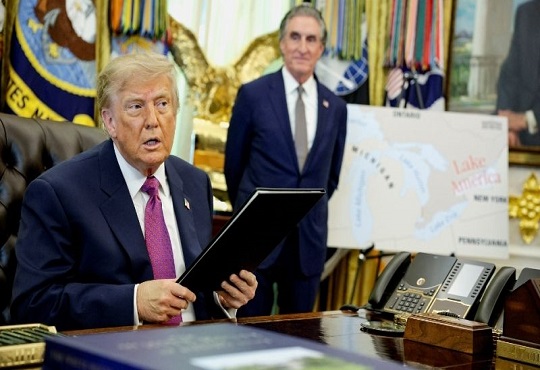
The Trump administration tightens scrutiny of internship work authorisations for international students, requiring Curricular Practical Training to form an integral part of established academic curricula.
The Trump Administration has increased the level of scrutiny on internships that are offered to international students in the US, urging colleges to exercise caution in giving CPT status to internships that do not qualify as per federal regulations. This has been stated in a directive published by the SEVP on August 24, 2026.
The CPT provision allows F-1 visa holders to engage in internships, cooperative education, and other forms of practical training that are associated with their programs of study during the course of their studies. The current regulations stipulate that the practical training must be an essential component of an existing program and have a direct connection to the area of study of the student. The new directive stresses the need for universities to meet this requirement before granting internships.
Also read: UP Doubles MBBS Intern Stipend From ₹12,000 to ₹25,000
This comes after the issuance of an order by the government following the increased approvals of CPT that it feels go against the current regulations. The universities are informed that not adhering to the SEVP guidelines might affect their authority to admit foreign students. It is for this reason that this warning puts extra pressure on the universities to ensure their internship approvals meet federal guidelines.
The changes are already impacting some colleges and universities. Among those that have put on hold or suspended some of their applications for CPT due to the new directive include the University of California, Los Angeles (UCLA) and the University of California, Berkeley. According to the international office at UC Berkeley, the latest memo is more restrictive than one issued in August.
This has created uncertainties for foreign students who are relying on internships to earn hands-on experience while studying. Foreign students who are attending programs that require practical training are supposed to still qualify under the new guidelines, while any other kind of CPT will be reviewed closely. The directive poses particular challenges regarding optional courses or programs that do not necessarily require practical training.
The above-mentioned new step further differentiates CPT from OPT. CPT normally takes place during the course of studies for the student in question and entails authorisation from the university, whereas OPT is an employment opportunity for eligible F-1 students related to their field of study during or after completion of studies.
Also read: From Insight to Impact: Charting the Course to Chief Innovation Officer
Such an approach is part of wider reforms being made in American policies that affect international students. The US government has tightened the regulations for student visa programs and also imposed new rules regarding the duration of stay of the international students in the country.
The impact on international students will probably vary depending on which university, study program, and work experience the student chooses. International students are recommended to check with their institution’s international student office prior to taking up any CPT-based employment.
Current Issue