
10 Study Destinations beyond the UK, USA, Canada and Australia
Ireland
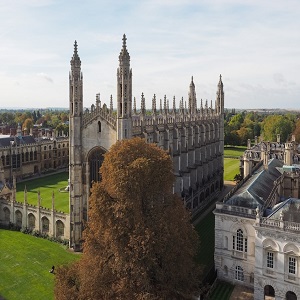 In the 2023-2024 academic year, Ireland had over 40,000 international students, an all-time high. The country intends to make it a great place to work through its Global Citizens 2030 program to attract the best talents, especially in technological and innovation associated sectors.
The long visa processing duration and shortage of housing are some of the hurdles. The cost of living is estimated between €10,000 - 20,000 per annum. The average undergraduate tuition fee is between 18,000 and 30,000 every year with the average master degree program being between €9,950 to 35,000.
Spain
 Spain has over 100,000 international students and is working hard to increase the number of international students by launching programs like EduBridge to Spain that expedites visa and admissions of international students who have been stifled by the tougher U.S. policies.
The University of Barcelona, Autonomous University of Madrid and University of Valencia are universities that have more and more English-taught programs. International students are able to work not more than 30 hours a week during their studies and can apply to have a 12-month residence post-graduation to find a job. The tuition cost and living expenses of non-EU students range between €1500-4500 and €700-1200 respectively per year and month respectively.
South Korea
 South Korea already has reached its goals of 300,000 international students, two years in advance. Over a third are of Vietnamese origin, second comes China, Uzbekistan, Mongolia and Nepal. The increase in international curiosity about Korean culture, as well as diversification of the portfolio of the English-taught programs, is the factor that keeps growing. It has an average monthly living cost of 750,000-1 million won (US on the 510-680), and an annual tuition of 4.2-7.6 million won.
Japan
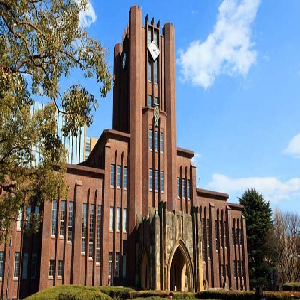 As of May 2024, almost 340,000 international students are studying in Japan and it is on target of becoming 400,000 international students by 2033. Approximately 90 percent of foreign students are representatives of the other Asian nations, such as China, Nepal, Vietnam, South Korea and Myanmar. Starting April 2026, Japan will bring high-performing international students to its universities by 5% quotas. Another program that the government has undertaken is the recruitment of foreign researchers wherein 11 universities receive 3.3 billion (USD 20.7 million) during the three-year period.
The average monthly living expenses are 41,000 in the country and 57,000 in Tokyo. The annual tuition usually varies between 600 000 and 1.1 million.


Current Issue