VES College of Architecture: Redefining Architectural Education through Integrated Design and Sustainability
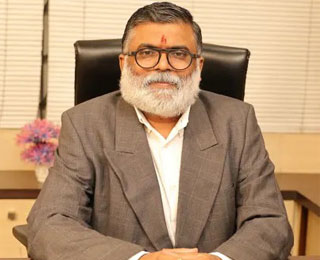
Dr. Prof. Anand Achari, Principal, VES College of Architecture
India’s architectural sector is undergoing a profound transformation, shaped by rapid urbanisation, climate urgency, technological disruption, and evolving socio-cultural demands.
As cities expand and environmental pressures intensify, architecture and the construction industry face a critical challenge; how to balance growth with sustainability, inclusivity with contextual sensitivity. Simultaneously, the emergence of digital tools, smart materials, and AI-driven design processes is redefining professional practice.
Traditional architectural education systems, which have largely relied on classroom-based instruction and theoretical learning, are struggling to keep pace with these shifts. Today’s profession demands architects who can think critically, design responsibly, and respond meaningfully to complex, real-world conditions.
Addressing this evolving landscape requires an education model that moves beyond information delivery towards experiential, integrated, and future focused learning. VES College of Architecture has positioned itself at this intersection, responding to industry gaps through a pedagogy rooted in hands-on learning, sustainability, and technological integration.
The institution emphasises a strong connection between academia and practice, nurturing architects who are climate-conscious, socially sensitive, and professionally adaptable. Its solution-oriented academic framework aligns design education with real-world challenges while remaining responsive to evolving global standards.
Responding to a Changing Educational Landscape
Architectural education in India is witnessing a decisive shift from information-based teaching to experiential and experimental learning. Until a decade ago or two, curricula were predominantly theory-driven, offering limited exposure to on-ground realities.
Today’s students, however, require immersive learning experiences that allow them to engage directly with materials, sites, technologies, and communities. This shift mirrors broader changes across higher education, where learning-by-doing has become central to building professional competence.
VES College of Architecture has consciously aligned itself with this transition. “Our classroom-based learning is complemented, and often replaced, by worksite visits, hands-on workshops, outdoor explorations, and industry led interactions,” says Dr. Prof. Anand Achari, Principal, VESCOA.
Design education at VESCOA is no longer confined to studio spaces. Students regularly interact with live project environments, construction processes, and professional practices. This approach not only strengthens technical knowledge but also cultivates critical thinking, adaptability, and confidence - equipping students to navigate the realities of architectural practice.
Industry-Aligned, Hands-On Design Pedagogy
One of the institution’s core strengths lies in its professionally engaged faculty, many of whom actively practise architecture and conduct research alongside teaching. This ensures that classroom instruction remains relevant, contemporary, and closely aligned with industry needs. Over the years, the institution and its students have earned multiple awards for academic excellence, extracurricular achievements, and sports - reinforcing a holistic educational approach.
The pedagogical framework is centred on experimentation, making, and doing. Hands-on workshops, material explorations, and climate-responsive design exercises form a significant part of the curriculum. Technology is embedded as an integral component of architectural education rather than treated as a standalone skill.
“We introduce tools such as Building Information Modelling (BIM) early in the curriculum, with students applying them directly to academic projects,” notes Dr. Prof. Anand Achari.
Advanced design platforms such as Rhino and Grasshopper are incorporated to foster parametric and computational thinking. The institution is also gradually integrating artificial intelligence into teaching and learning, acknowledging its growing role in contemporary architectural workflows.
Infrastructure That Enables Innovation
Supporting this pedagogy is the institution’s well-integrated and forward-looking infrastructure. The campus houses multiple state-of-the-art laboratories, including model making workshops equipped with laser cutters and 3D printers, advanced surveying laboratories, GIS-enabled planning facilities, and services laboratories for lighting, plumbing, and sanitation studies. Dedicated carpentry and photography labs further enhance creative and technical exploration.
Computer laboratories enable access to professional software tools covering BIM, building simulations, and graphic design. These facilities are complemented by a well stocked library with access to global databases, international journals, and academic publications - supporting research based learning. Annual investments are directed towards strengthening these resources to ensure students remain exposed to global knowledge systems.
“We have close to 40 MoUs with industry partners, who provide students with direct exposure to professional environments,” adds Dr. Prof. Anand Achari.
These collaborations facilitate factory visits, live workshops, lighting design sessions, and material explorations conducted by industry experts, further strengthening industry readiness.
Founded in 2018 with an initial intake of 40 students and a small faculty team, VES College of Architecture has witnessed rapid growth in a short span. Today, it supports an academic community of over 600 students and more than 60 faculty members, reflecting both institutional commitment and growing recognition within academic and professional circles.
Looking ahead, VES College of Architecture envisions itself as a catalyst for socially responsible and environmentally conscious architectural practice. The institution aims to deepen its integrated design pedagogy by embedding sustainability, building sciences, digital tools, and social engagement across all years of study. Climate-responsive design will continue to remain a non-negotiable component of studio learning; ensuring graduates develop strong regional and environmental sensibilities.
Through its emphasis on integrated learning, technological adaptability, and ethical design practice, the college continues to prepare architects capable of shaping resilient, inclusive, and sustainable built environments.
As cities expand and environmental pressures intensify, architecture and the construction industry face a critical challenge; how to balance growth with sustainability, inclusivity with contextual sensitivity. Simultaneously, the emergence of digital tools, smart materials, and AI-driven design processes is redefining professional practice.
Traditional architectural education systems, which have largely relied on classroom-based instruction and theoretical learning, are struggling to keep pace with these shifts. Today’s profession demands architects who can think critically, design responsibly, and respond meaningfully to complex, real-world conditions.
Addressing this evolving landscape requires an education model that moves beyond information delivery towards experiential, integrated, and future focused learning. VES College of Architecture has positioned itself at this intersection, responding to industry gaps through a pedagogy rooted in hands-on learning, sustainability, and technological integration.
The institution emphasises a strong connection between academia and practice, nurturing architects who are climate-conscious, socially sensitive, and professionally adaptable. Its solution-oriented academic framework aligns design education with real-world challenges while remaining responsive to evolving global standards.
Responding to a Changing Educational Landscape
Architectural education in India is witnessing a decisive shift from information-based teaching to experiential and experimental learning. Until a decade ago or two, curricula were predominantly theory-driven, offering limited exposure to on-ground realities.
Today’s students, however, require immersive learning experiences that allow them to engage directly with materials, sites, technologies, and communities. This shift mirrors broader changes across higher education, where learning-by-doing has become central to building professional competence.
VES College of Architecture has consciously aligned itself with this transition. “Our classroom-based learning is complemented, and often replaced, by worksite visits, hands-on workshops, outdoor explorations, and industry led interactions,” says Dr. Prof. Anand Achari, Principal, VESCOA.
Design education at VESCOA is no longer confined to studio spaces. Students regularly interact with live project environments, construction processes, and professional practices. This approach not only strengthens technical knowledge but also cultivates critical thinking, adaptability, and confidence - equipping students to navigate the realities of architectural practice.
Industry-Aligned, Hands-On Design Pedagogy
One of the institution’s core strengths lies in its professionally engaged faculty, many of whom actively practise architecture and conduct research alongside teaching. This ensures that classroom instruction remains relevant, contemporary, and closely aligned with industry needs. Over the years, the institution and its students have earned multiple awards for academic excellence, extracurricular achievements, and sports - reinforcing a holistic educational approach.
The pedagogical framework is centred on experimentation, making, and doing. Hands-on workshops, material explorations, and climate-responsive design exercises form a significant part of the curriculum. Technology is embedded as an integral component of architectural education rather than treated as a standalone skill.
“We introduce tools such as Building Information Modelling (BIM) early in the curriculum, with students applying them directly to academic projects,” notes Dr. Prof. Anand Achari.
Advanced design platforms such as Rhino and Grasshopper are incorporated to foster parametric and computational thinking. The institution is also gradually integrating artificial intelligence into teaching and learning, acknowledging its growing role in contemporary architectural workflows.
Infrastructure That Enables Innovation
Supporting this pedagogy is the institution’s well-integrated and forward-looking infrastructure. The campus houses multiple state-of-the-art laboratories, including model making workshops equipped with laser cutters and 3D printers, advanced surveying laboratories, GIS-enabled planning facilities, and services laboratories for lighting, plumbing, and sanitation studies. Dedicated carpentry and photography labs further enhance creative and technical exploration.
Computer laboratories enable access to professional software tools covering BIM, building simulations, and graphic design. These facilities are complemented by a well stocked library with access to global databases, international journals, and academic publications - supporting research based learning. Annual investments are directed towards strengthening these resources to ensure students remain exposed to global knowledge systems.
“We have close to 40 MoUs with industry partners, who provide students with direct exposure to professional environments,” adds Dr. Prof. Anand Achari.
These collaborations facilitate factory visits, live workshops, lighting design sessions, and material explorations conducted by industry experts, further strengthening industry readiness.
Founded in 2018 with an initial intake of 40 students and a small faculty team, VES College of Architecture has witnessed rapid growth in a short span. Today, it supports an academic community of over 600 students and more than 60 faculty members, reflecting both institutional commitment and growing recognition within academic and professional circles.
Looking ahead, VES College of Architecture envisions itself as a catalyst for socially responsible and environmentally conscious architectural practice. The institution aims to deepen its integrated design pedagogy by embedding sustainability, building sciences, digital tools, and social engagement across all years of study. Climate-responsive design will continue to remain a non-negotiable component of studio learning; ensuring graduates develop strong regional and environmental sensibilities.
Through its emphasis on integrated learning, technological adaptability, and ethical design practice, the college continues to prepare architects capable of shaping resilient, inclusive, and sustainable built environments.
Current Issue