
US Embassy Defers H-1B Visa Interviews, Adding New Hurdles
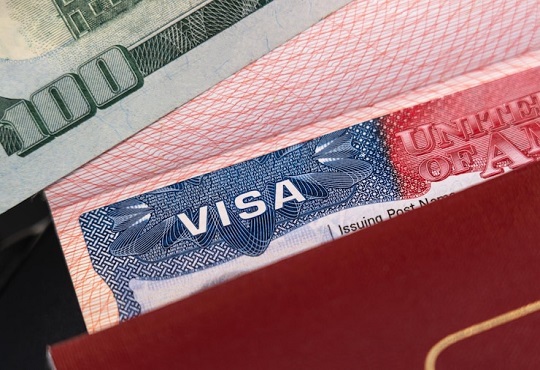
- US reschedules H-1B and H-4 interviews, pushing appointments into 2026.
- Stricter checks and longer processing intensify existing H-1B visa difficulties.
- Delays raise risks for Indian professionals, including job and travel disruptions.
The H-1B route for many Indian professionals has encountered another obstacle. The US Embassy and consulates in India officially declared that many visa interviews, such as H-1B and H-4 appointments, have been postponed to later months in 2026.
“If you have received an email advising that your visa appointment has been rescheduled, Mission India looks forward to assisting you on your new appointment date,” the embassy posted on X, cautioning applicants that arriving on the original date “will result in your being denied admittance.”
The sudden change in scheduling occurs during a period when the overall H-1B procedure has already become more restrictive. In the last year, candidates have been facing more intense scrutiny, extended processing times, greater documentation requirements, and a new regulation from the US State Department mandating a thorough examination of applicants’ social media usage. For numerous Indian workers residing overseas who have come to India for a holiday or family crisis, the revised appointment slots now stretch several months longer than their intended duration.
Also Read: US Tightens Visa Checks, Wants H-1B, H-4 Social Profiles Public
The deferments occur as India remains the biggest source of foreign talent and students for the US. Despite challenges, more than 2.5 lakh Indians pursued education in US institutions during 2023-24, indicating ongoing interest in American higher education and employment prospects. The United States continues to be a highly desired destination for young skilled workers, despite increasing visa scrutiny and unpredictable processing times.
The recent surge in H-1B interview delays has thus intensified worries for both new applicants and long-term US residents who have traveled home temporarily. Numerous individuals are concerned that the visa backlog might result in layoffs, disruptions in payroll, or even mandatory relocations.
Current Issue
.jpg)