
Teaching in a Changing World: Staying Ahead and Supporting Students
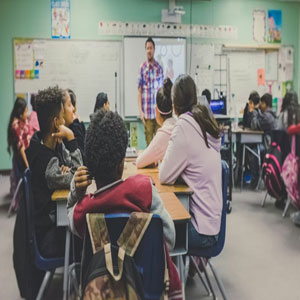 Education is always changing. New technology, shifting social needs, and updated learning standards mean teachers face constant change. To keep up, they need to stay flexible in how they teach and connect with students.
Technology strongly shapes modern classrooms, changing how lessons are taught and pushing teachers to try new methods. At the same time, growing and diverse expectations mean teachers must adapt quickly to meet different student needs.
For teachers, keeping skills up to date is essential. Professional development helps them learn new practices, use technology effectively, and stay confident in their role. This ensures high-quality teaching while helping students build skills they need for the future.
The Impact of Technology on Education
Technology has completely changed how teachers and students interact in the classroom. These days, students don’t have to rely on their teachers for all the answers—just a quick search online puts a whole library of information in their hands.
Because of this, teachers are now more like guides. They help students make sense of what they find online, teach them to question sources, and encourage curiosity. The goal isn’t just memorising facts but learning to think for yourself, ask better questions, and sort the good information from the bad.
Digital tools like e-learning platforms, virtual classrooms, and educational apps have made this possible. E-learning platforms allow for learning at your own speed and in your own style. Virtual classrooms make it easy for students and teachers to work together and chat in real time, even if they’re miles apart. Educational apps keep students interested using games and videos that make tricky subjects easier to grasp.
There’s also something to be said for how interactive whiteboards or online forums can make learning far more engaging. These tools help spark discussions and build a sense of community, making lessons more lively and inclusive — perfect for today’s digital age.
All in all, technology has pushed education into more of a team effort, where both teachers and students can learn, adapt, and move forward together.
Importance of Professional Development
Keeping up with professional development isn’t just a formality for teachers — it directly affects how well they teach and support students. With education always changing — new technology, updated lessons, and shifting student needs — teachers must keep learning for their students to succeed.
Workshops are a great way to try new teaching methods and tools hands-on. You get to practise and see what works immediately. Online courses are another option, fitting around busy schedules and giving access to experts and topics from around the world, even if you only have short pockets of time.
Professional networks also help. Platforms like LinkedIn let teachers share tips, resources, and ideas. Joining groups and discussions gives insight into what works in other schools and provides support on tough days.
For bigger career moves, advanced leadership courses like the National Professional Qualification for Headship (NPQH) teach skills needed to lead in schools. Combining these learning opportunities into daily routines keeps teachers flexible, up-to-date, and ready for whatever changes come in education, while making the process more enjoyable.
Adapting to Evolving Curricula and Societal Needs
Curricula keep shifting to meet what both the workplace and society demand, with a sharper spotlight now on STEM—Science, Technology, Engineering, and Maths. More and more, teachers are being urged to bring in STEM skills since the tech sector and related jobs are crying out for talent.
This helps students build skills that aren’t just theoretical but actually help them stay well-placed in a jobs market that’s always on the move.
But teaching today isn’t only about academic subjects. Teachers now play a big part in addressing wider social issues too. Diversity, inclusion, and mental health have all become top priorities in lesson planning, mirroring what’s needed by students from different backgrounds. Tackling diversity in class can help students see and respect differences, which makes schools friendlier and more open.
Learning about mental health matters just as much. It can give students practical ways to look after themselves, understand emotions, and handle life when things get tough. The idea is to offer more than grades — schools are also a place where young people pick up life skills for dealing with the real world.
To keep up, teachers need to be open to change and keep learning themselves. It’s about tweaking how they teach so it matches what’s expected by both exam boards and society. That way, students leave school ready to make a real difference — no matter what comes next.
Incorporating Innovative Teaching Practices

Teaching has changed a lot from the days of chalkboards and students waiting their turn. Today’s classrooms let students take the lead—working at their own pace, exploring topics they enjoy, and tackling real-world problems.
The old teacher-front approach, where everyone follows the same lesson, is fading. Research shows that giving students more control boosts motivation, independence, and problem-solving skills.
Using technology makes this easier. Adaptive software and digital tools help teachers meet each student’s needs, while project-based lessons connect learning to real-life situations, making it more relevant.
Regular feedback is important too. Quick check-ins help teachers see who needs help and who is excelling, so they can adjust lessons and support everyone.
Teachers also need to embrace change. Trying new methods, learning from mistakes, taking courses, and sharing ideas with peers keeps skills up to date.
In the end, letting students guide their learning makes education more meaningful and prepares them for what comes next.
Embracing Change for Future-Ready Education
For teachers, keeping up with change is essential. Regular professional development helps them stay ready for new challenges, from technology updates to evolving social needs. By improving their own skills, teachers show students that learning never stops.
Being open to new teaching methods is also key. Traditional lectures are giving way to hands-on, student-led lessons. Group projects and technology help students think critically and solve real problems.
Change also means focusing on bigger life skills, like inclusion, wellbeing, and resilience. Teachers who guide students in these areas prepare them for life beyond exams, helping them handle challenges inside and outside school.
Teachers who grow their skills, adopt modern approaches, and teach life lessons create classrooms full of energy. Students gain confidence and tools to face the future, proving that educators are at the heart of progress in schools.
Current Issue
.jpg)